
Multi-chain assets
The same asset can exist on multiple networks. Confirm the network before checking balances, addresses and confirmations.
From multi-chain assets, network selection and transfers to DApp connections, approvals, network concepts and wallet security, imtoken organizes each on-chain action into steps you can verify.
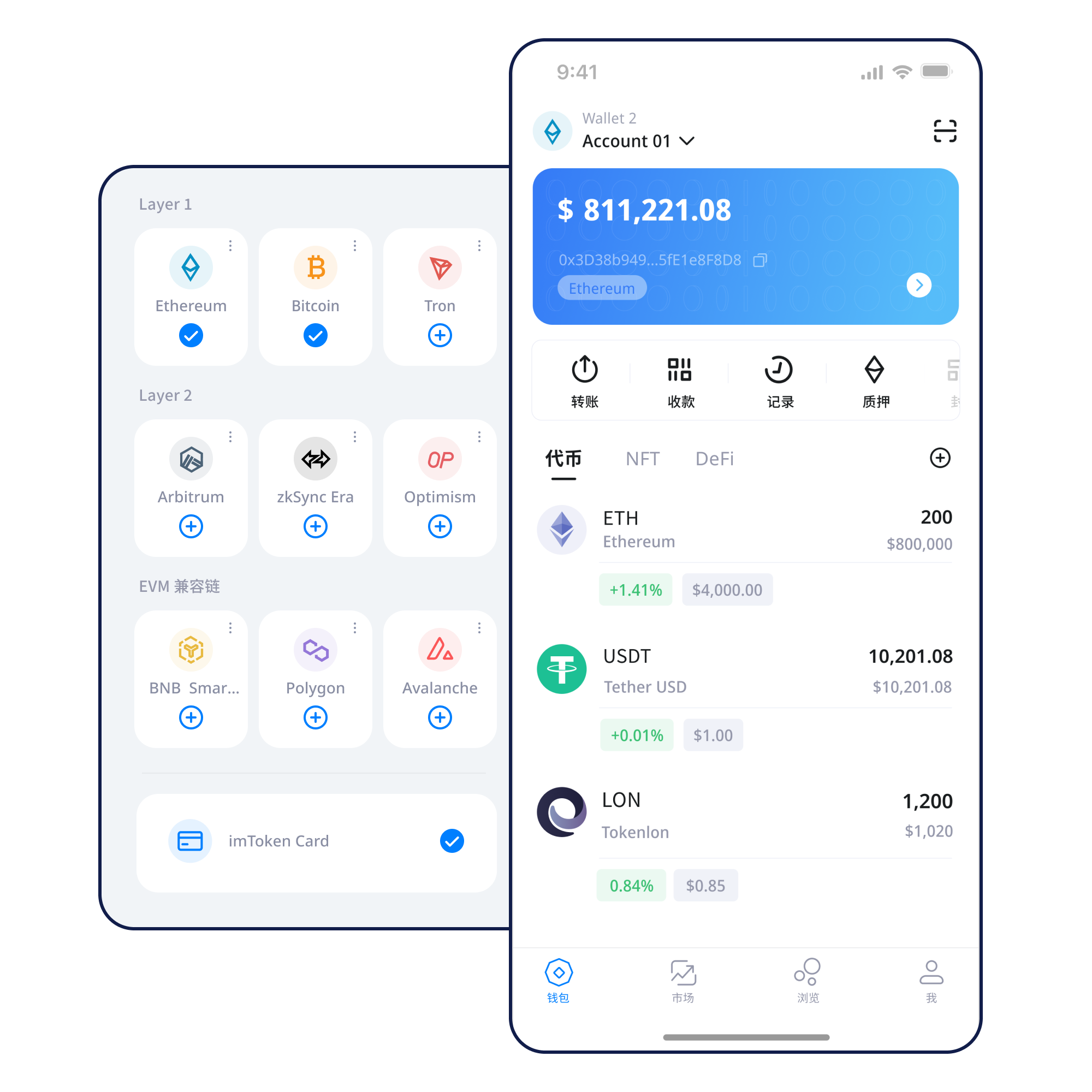
You do not need to read everything first. Choose your current task and move through preparation, action and verification.
Know the difference between creating and importing, and decide how you will back up first.
Create a walletKeep the seed phrase offline; avoid screenshots, chats and casual cloud storage.
Backup principlesConfirm the asset network before copying an address and coordinate with the sender.
Receiving stepsVerify the domain, account request and later signatures; a connection is not automatic approval.
Connection guideEach capability is presented in the format best suited to the checks that matter.
The same asset can exist on multiple networks. Confirm the network before checking balances, addresses and confirmations.
For receiving, check the address and network. For sending, also review the amount, gas and transaction hash.
View the full workflowView assets, manage networks, follow transaction history and access Web3 on mobile.
Browser connections should follow verify site → select account → review request → disconnect when done. Do not treat a connection as a security endorsement.
Understand browser connectionsSeed phrases and private keys stay under user custody; official staff should never request them.
Similar-looking addresses do not mean the same chain. The selected network determines where the transaction is broadcast, how fees work and where results are verified.
Use network names, explorers and token contract information to distinguish networks. Never verify an address by only a few leading characters.
Nodes propagate transactions, blocks record state, and confirmations help indicate how firmly a transaction is recorded.

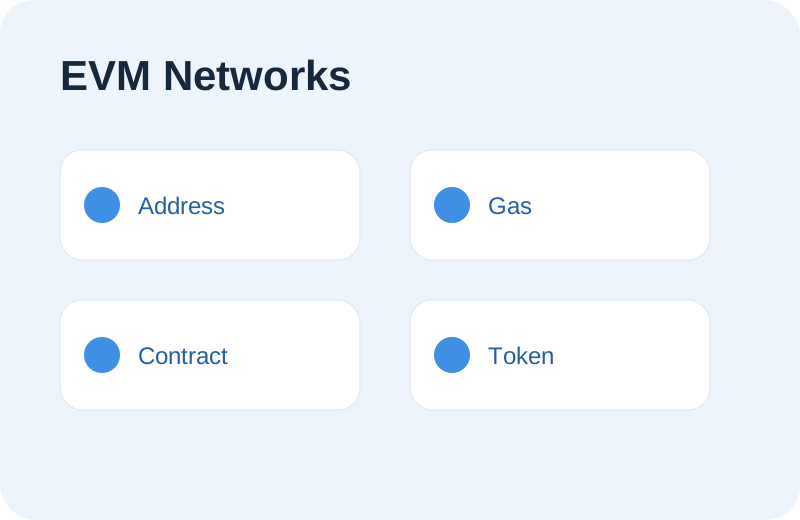
EVM networks often use similar address formats, while gas, state, token contracts and approvals remain network-specific.
For cross-layer transfers, verify the entry point, destination network, bridge path and confirmation process.
Gas prices network execution resources. After broadcast, use the transaction hash on the correct explorer to verify status.
Continue readingEach step includes a verification point so network or permission mistakes are caught early.
Use a known entry point for the download page rather than unfamiliar links.
Understand the difference between creating and importing, and use a private device environment.
Store the seed phrase offline and never reveal private keys or verification codes.
Confirm the network name, recipient support and the network where the asset exists.
Check the address, amount and gas; consider a small test when appropriate.
Keep the transaction hash, inspect DApp signing requests and periodically remove stale approvals.
A wallet connection is only the first step that lets a DApp request account information or later actions. Message signatures, transactions and token approvals need separate review.
Wallet security is a set of habits: keep seed phrases and private keys offline, never expose them in chats or forms, verify signature sources and content, check address/network/amount before sending, review DApp connections and approvals, and use public devices or networks cautiously. Confirmed on-chain transactions generally cannot be reversed by the wallet, and third-party DApps or contracts carry independent risk.
Open Security CenterStart with addresses, seed phrases, private keys, networks, gas, transaction hashes, DApp connections and approvals. Understanding how these ideas connect is more useful than memorizing button locations.
Read Getting StartedHow nodes, blocks and confirmations form verifiable transaction state.
Understand contract calls, gas, tokens and approvals.
Mainnet relationships, cross-layer transfers and bridge checks.
Approval targets, limits, revocation and risk review.
Ethereum PoS uses validators to participate in consensus. Understanding reward sources, validator state, withdrawals and exits helps build a complete risk picture before participation.
Learn Ethereum stakingNo fabricated dates or inflated claims—only changes users need to verify.
Actionable checks across creation, backup, transfers, DApps and approvals.
Similar addresses do not mean the same network; verify recipient support before cross-network transfers.
Official staff should never request recovery secrets through chat, forms or email.
Review status, fees, waiting periods and independent risks before participation.
Start with the most common network, backup, transfer and approval questions.
Keep them under your own custody, preferably offline, and never transmit them through chats, email, screenshots or unfamiliar forms.
The full address, destination network, asset type, amount and estimated network fee.
Gas is the mechanism used to price network computation and storage; actual fees vary with conditions.
Connection, signing, transactions and token approvals are separate steps; later requests still require review.
Yes. Know the approval target and limit, and consider revoking permissions you no longer need.
Cross-layer transfers may involve bridges, different network states and extra confirmation steps.
No. Rewards, waiting periods, penalties, contract risk and asset-price volatility can all affect outcomes.
Downloads should only begin after your own action. Prepare a secure, private device environment before installation or wallet import.